

Patrick Zachmann: Le Miracle
The photographer’s latest photobook is a testimony to the five-year feat of restoring Notre-Dame Cathedral of Paris
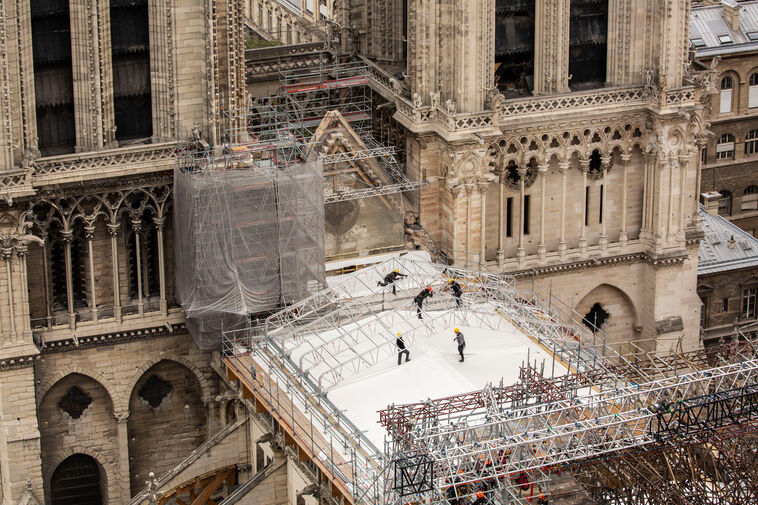
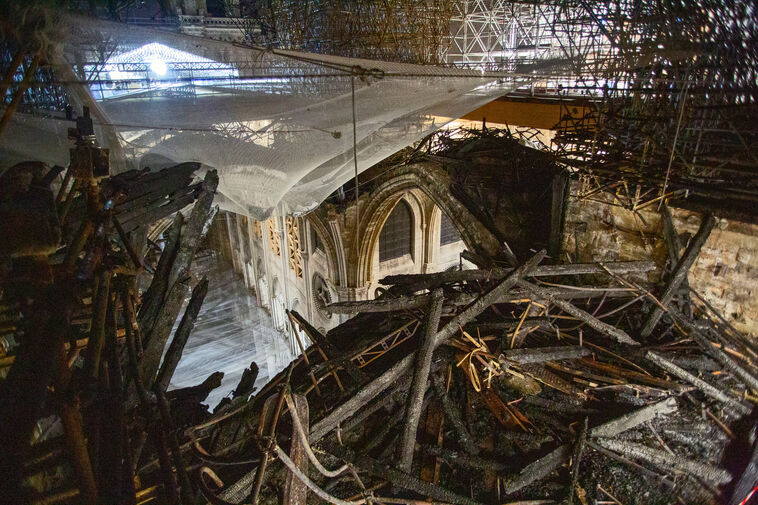
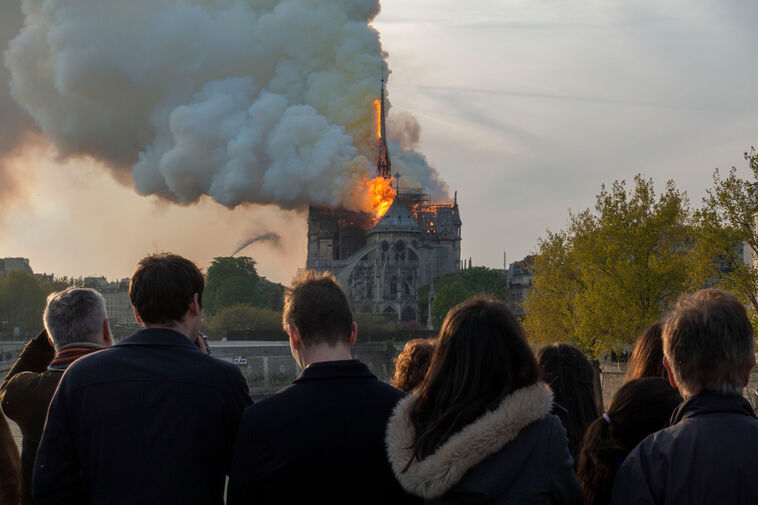
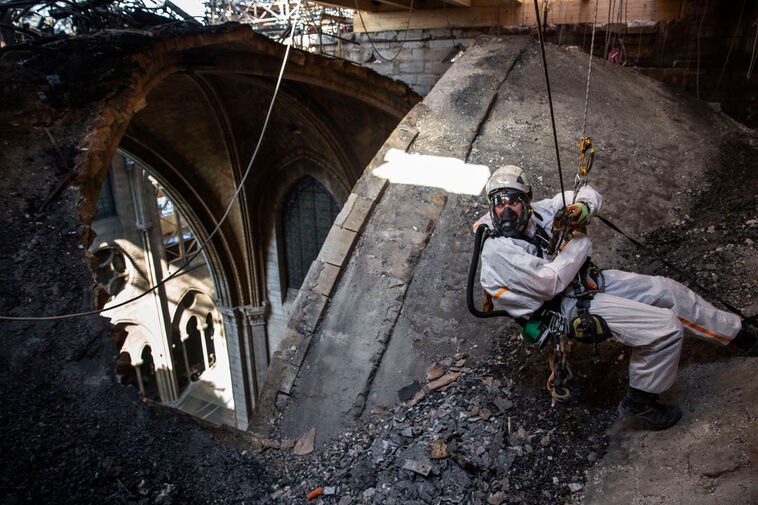
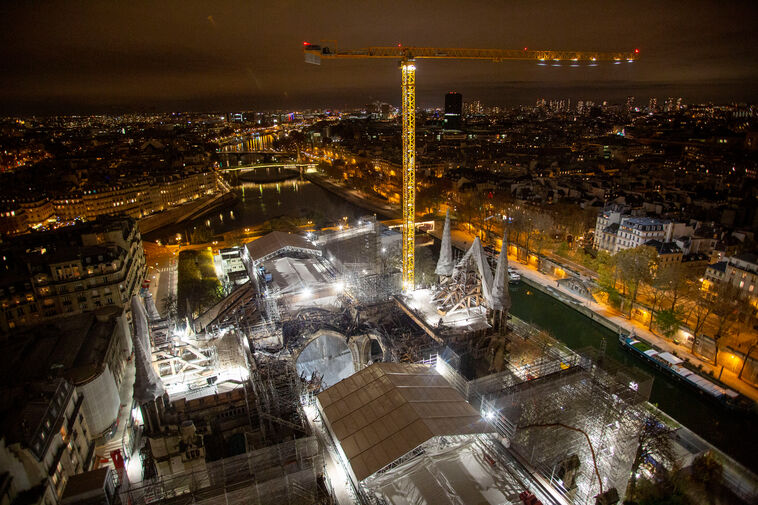
In 2019, Patrick Zachmann found himself perched on top of the vaulted ceiling of Notre-Dame Cathedral of Paris, alongside a steeplejack, looking down through a gaping hole into the interior of the disemboweled monument. It had been two months since the fire ravaged Notre-Dame on April 15, 2019, destroying its 19th-century spire and most of the 800-year-old timber roof.
Zachmann, who had driven to the scene on his scooter after hearing of the fire, and had watched the cathedral go up in flames, was now witnessing it slowly come back to life. The photographs in his latest book Le Miracle, published by Éditions Albin Michel, chronicle the journey of the cathedral’s five-year restoration from 2019-2024.
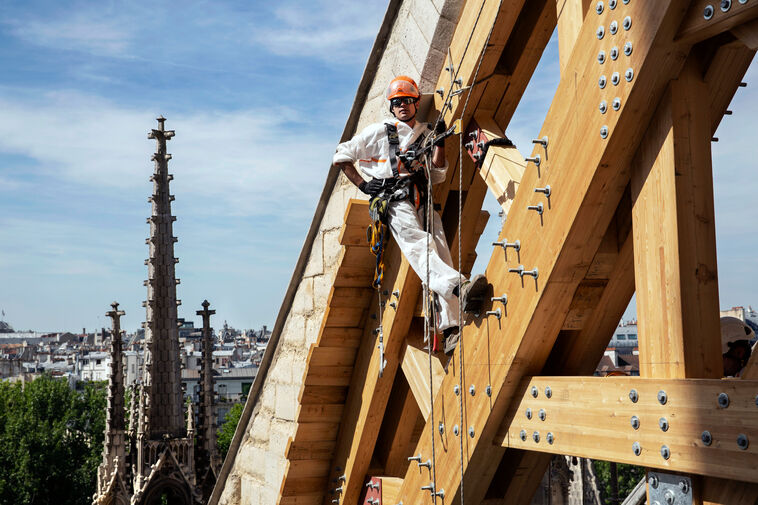
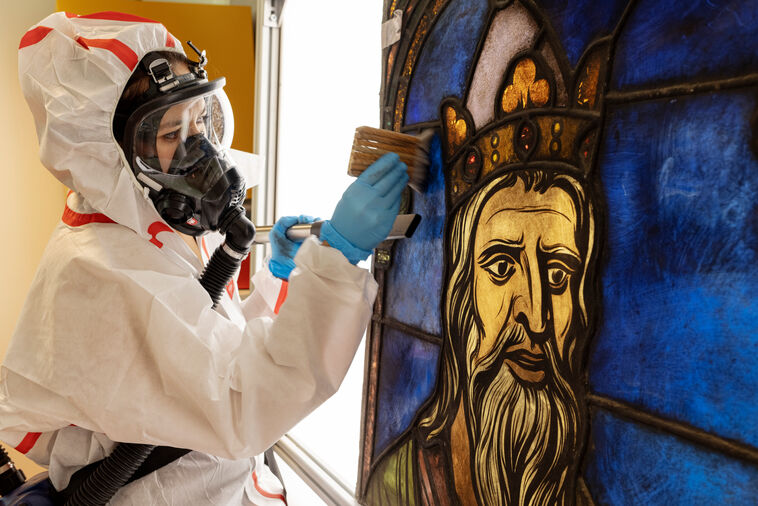
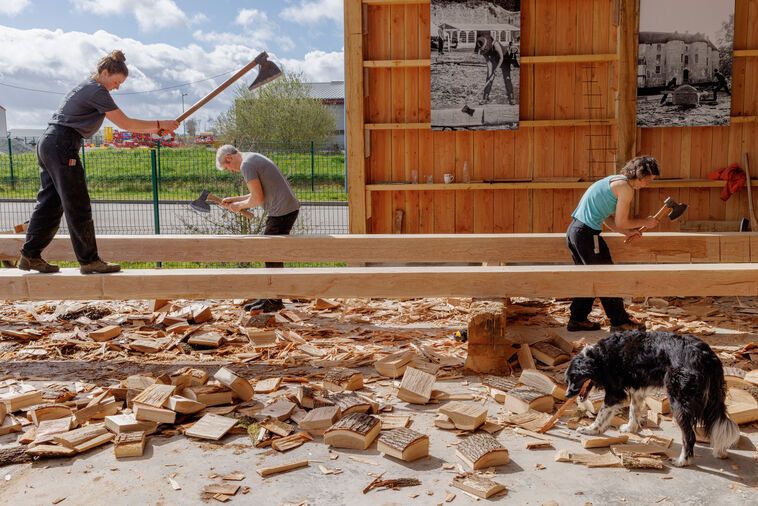
In the weeks following the fire, Zachmann was able to gain special entry to the site, and began recording the meticulous detail and precision of the cathedral’s revival, executed by some 3,000 people and 300 companies — from scaffolders, rope-access technicians, carpenters, wood-cutters and logisticians, to rare artisans safeguarding the crafts of stone-cutting, lead ornamentation or organ building.
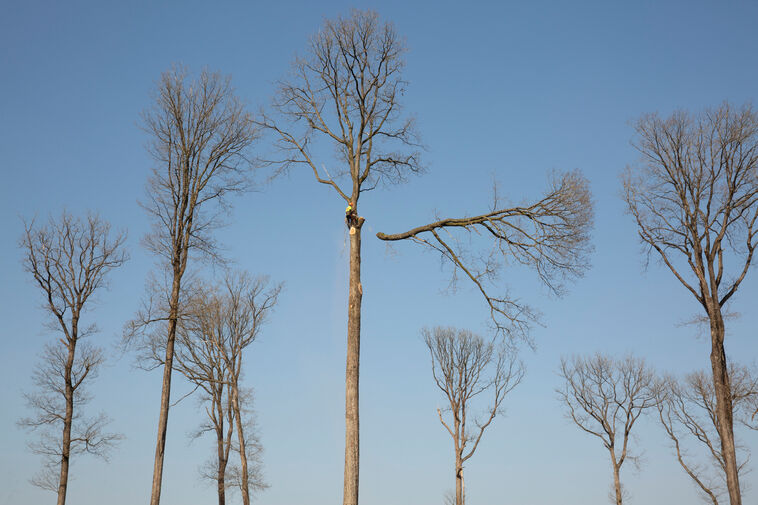
Throughout the five years, Zachmann photographed alongside them, climbing into the 80-meter-high crane above the labyrinth of scaffolding, which surrounded the cathedral like an elaborate splint, or venturing to a forest in the Sarthe department, near Le Mans, where expert woodcutters selected the oak trees that would form the base of the new spire, an essential foundation that would hold the 500-ton structure.
"I can finally go inside the cathedral. Since the night of April 15, I haven’t stopped thinking about this moment."
- Patrick Zachmann
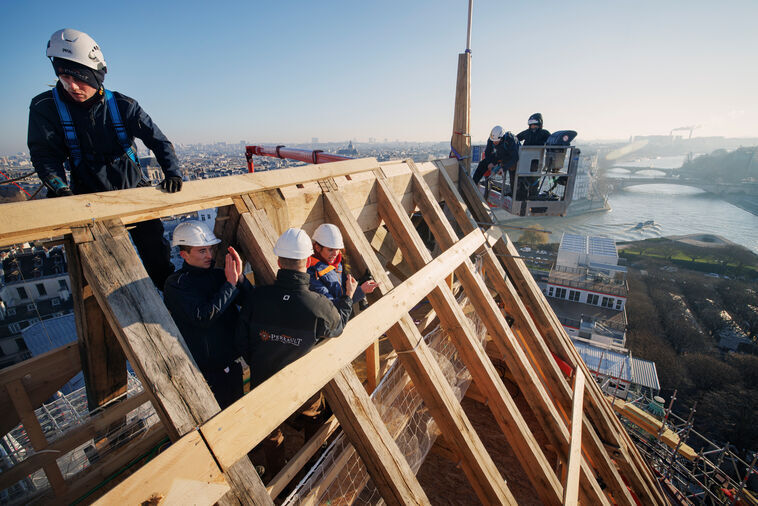
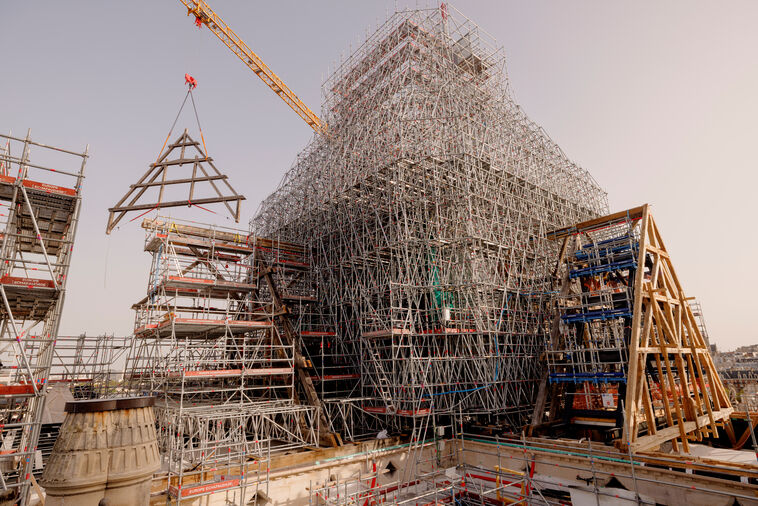
Le Miracle reveals the cathedral’s transformation at the hands of those who revived its every surface, an achievement which Philippe Jost, president of the Notre-Dame Public Establishment, called the result of a “magnificent human alchemy” in his foreword to the book.
Over the course of his documentation, Zachmann calculated that he had visited the construction site and artisanal studios involved in the project over 200 times. He took about 100,000 images, which he narrowed down to about 6,000 edited photographs. The book itself contains 250 selected works, punctuated by Zachmann’s diaristic entries, detailing his perspective of — and fascination with — the immense project.
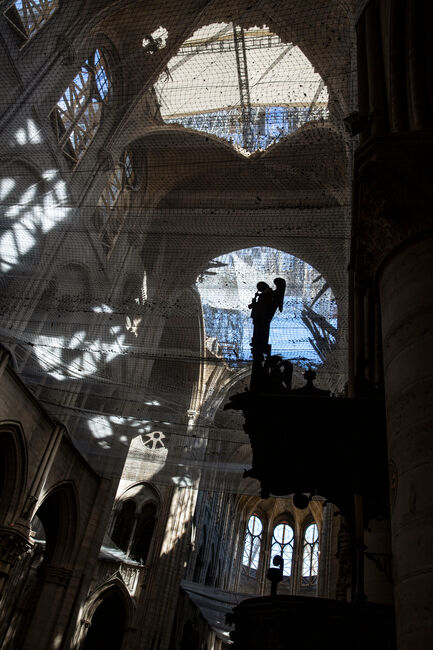
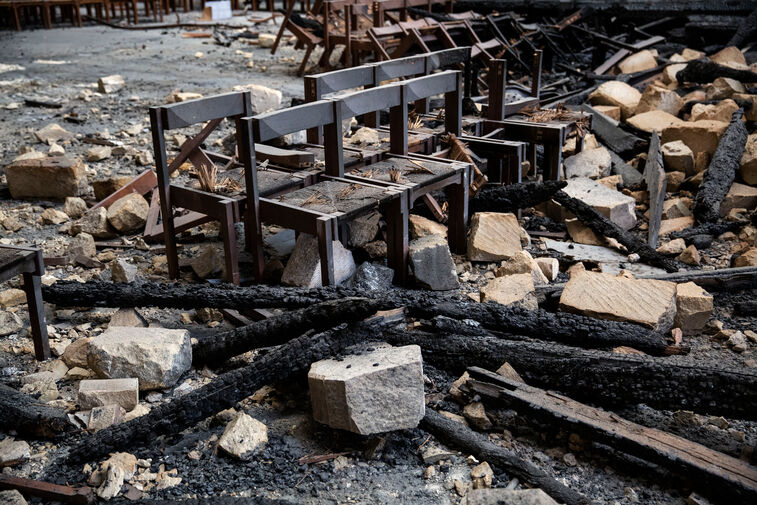
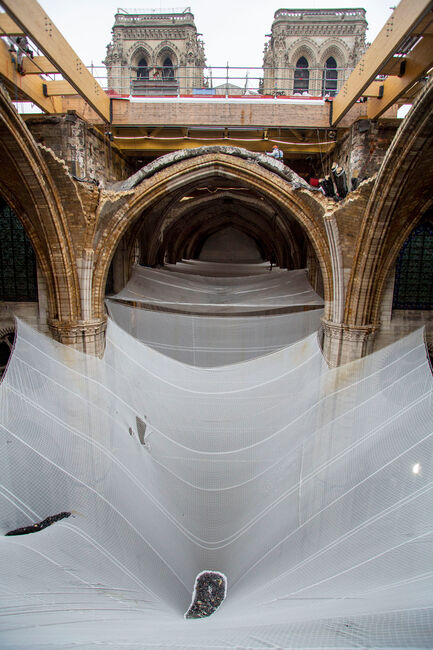
On June 25, two months after the fire, Zachmann wrote: “I can finally go inside the cathedral. Since the night of April 15, I haven’t stopped thinking about this moment.” The first thing that struck him that day were the rows of chairs, left by the church-goers not long before the fire.
In his introduction to The Miracle, Zachmann writes of his attention to the quality of light and composition when framing an image — and his awareness of what Roland Barthes calls the “punctum,” that which “rises from the scene, shoots out of it like an arrow, and pierces me,” as Barthes writes in La Chambre claire.
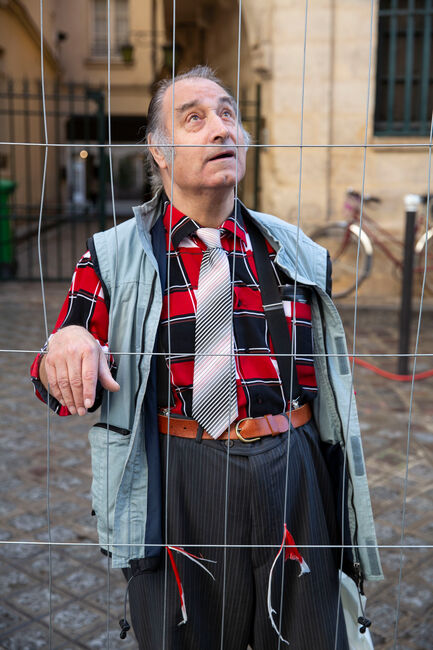
Yet there is another element that he finds essential: his connection with the people he photographs. From the start, it was evident that the pulse of the project was not the cathedral itself, but the people responsible for its revival.
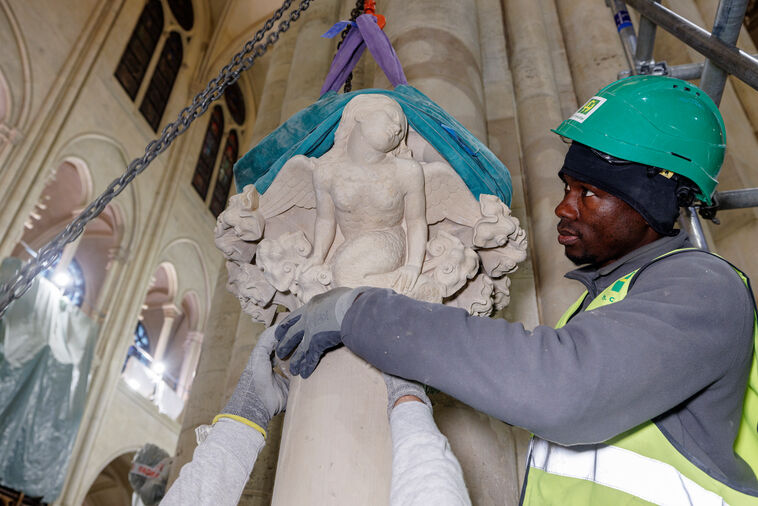
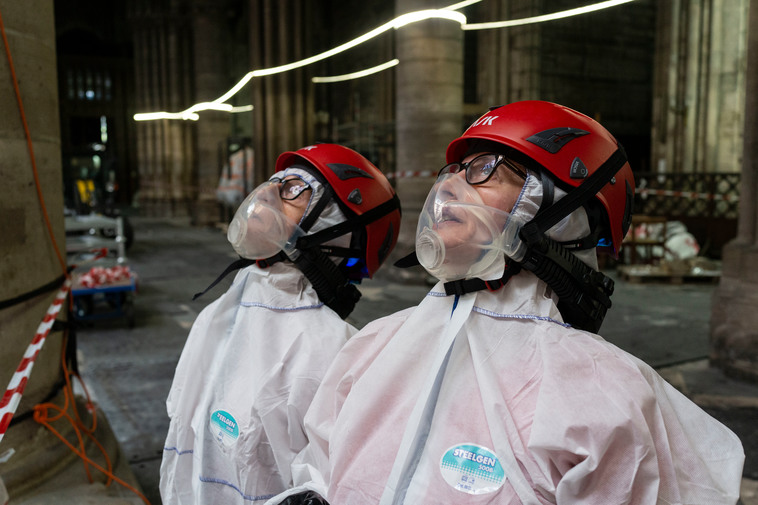
"I have to say that the human dimension was very strong for me throughout those five years."
- Patrick Zachmann
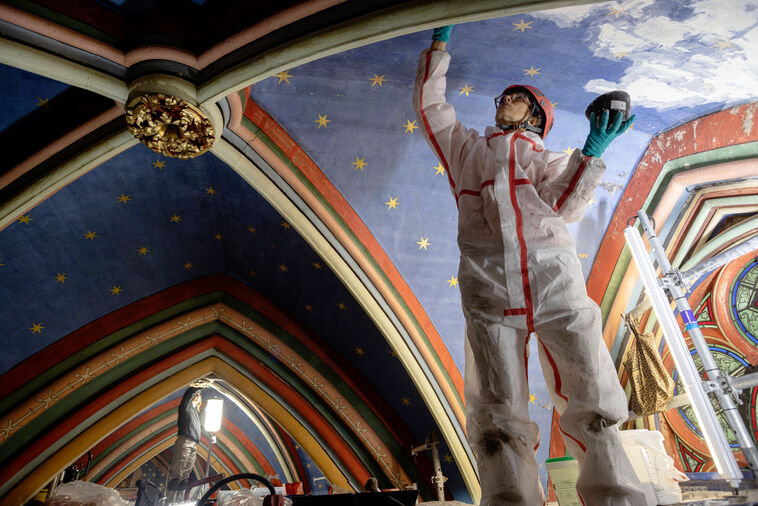
“When people ask me what I remember the most about working on the site, I have to say that the human dimension was very strong for me throughout those five years,” he writes. “I am thinking in particular of the day the timber frameworks—each weighing several tons—were positioned under the flying buttresses. The calculations had been made with great precision, but would they hold?
“I remember everyone’s faces turned toward those massive timber structures, eyes filled with heightened tension. Everyone was there: the architects, the engineers, the carpenters, the head of the rope-access team, as well as General Georgelin and the then-rector, Monsignor Chauvet. Everyone held their breath. It was a first—and even though everything had been meticulously planned, there was still a degree of risk. But the calculations were exact—accurate to the millimeter—and the operation was a success. A magnificent team effort! A burst of applause. It’s a memory defined by sharing a profound, vivid emotion.”
"It's the same emotion that I find in Notre-Dame; witnessing the past resurfacing—a memory that must be brought back to life through sheer patience."
- Patrick Zachmann
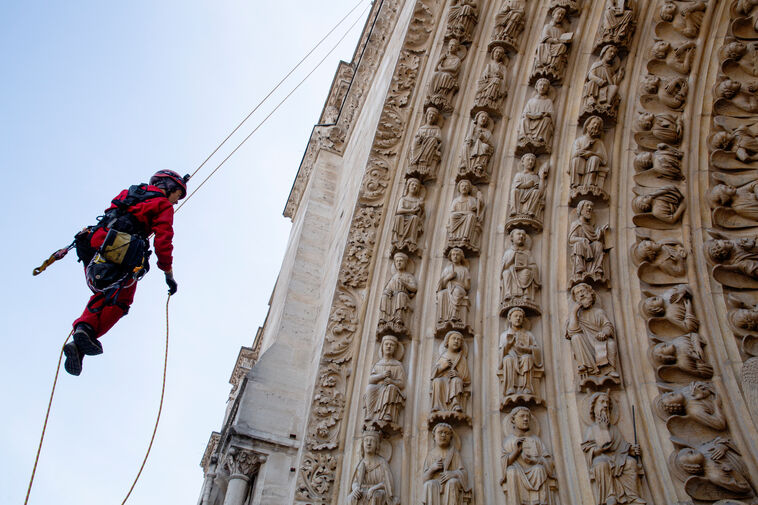
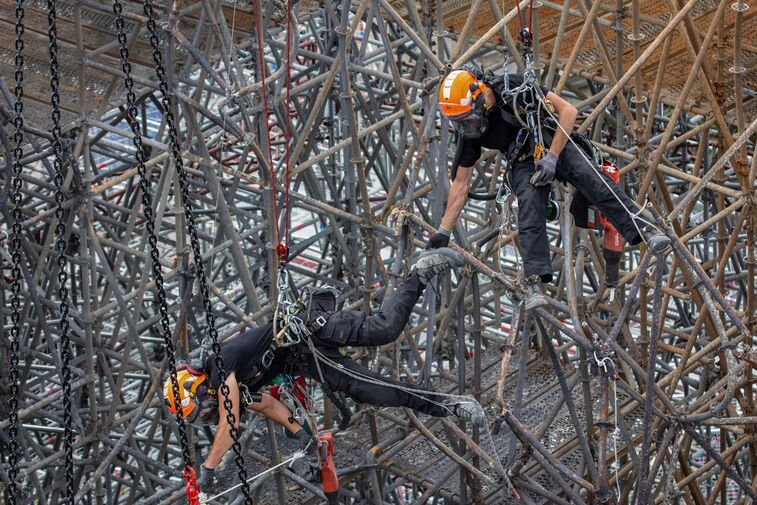
Jost underlines Zachmann’s “ability to highlight the scale and power of the endeavor itself, capturing the men and women who have committed the very best of themselves to this project,” and therefore succeeding “in expressing the profound truth of our endeavor—an undertaking defined by beauty and humanity, both brought to a level and degree rarely achieved.”
Through Zachmann’s expansive perspective, from aerial views to stained glass, he brings to light what was inaccessible to the public. “The construction site was spectacular, but that’s not what interested me the most,” he told France Culture. “The power of photography, I find, is its silence. It transmits what’s unsaid, the invisible. I like the challenge of showing what’s not necessarily visible.”
Photography, for Zachmann, is therefore an instrument of revelation. “Both the archaeologist and the photographer are in search of memory and truth,” he writes in the book. “The photographer makes a moment they’re experiencing disappear, then resurrects it in the form of an image that already belongs to the past. Here, too, there is a transition from disappearance to revelation. In film photography, this image reappears in a chemical bath known [in French], quite aptly, as the ‘revealer.’’
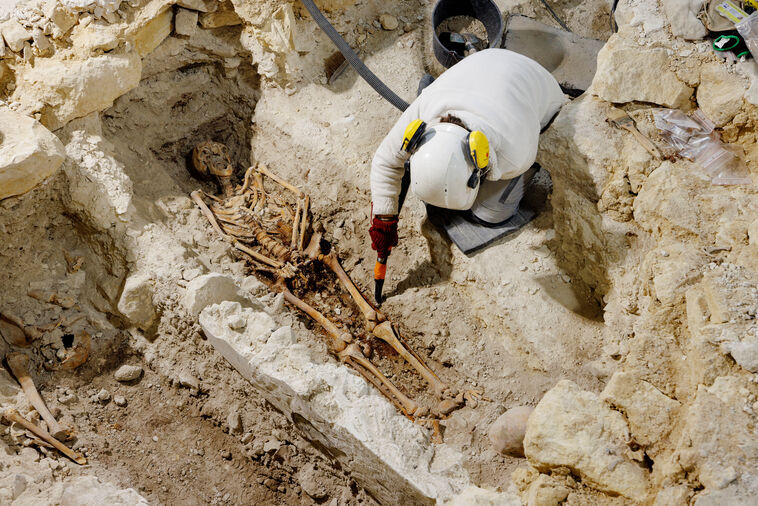
He was, in fact, privy to a few discoveries on site. On one occasion, Zachmann was called over by archeologists Dorothée Chaoui-Derieux and Christophe Besnier, who had excavated something unexpected in the cathedral’s transept: “medieval polychrome carved stones and, most notably, two lead sarcophagi—one of which likely belonged to a high-ranking member of the clergy.” Part of his photographic presence on the site was “witnessing the past resurfacing—a memory that must be brought back to life through sheer patience,” he writes.
"That’s what a construction site is, too: a community of people who have forged bonds, built friendships, and shared moments of life together."
- Patrick Zachmann
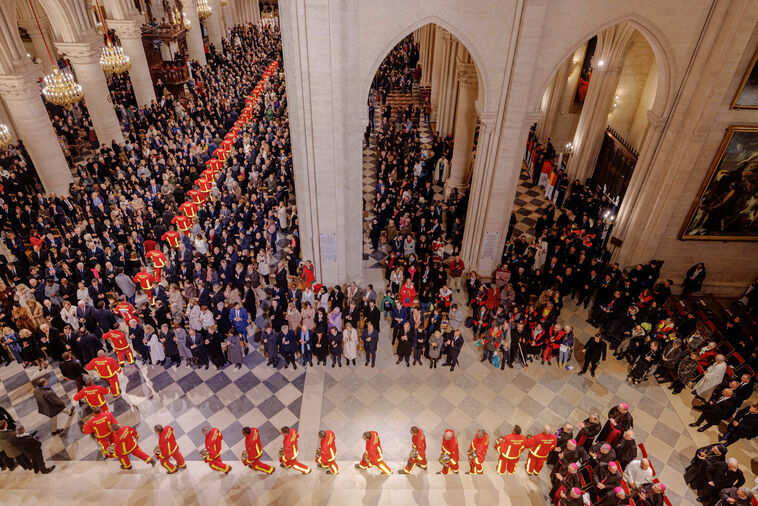
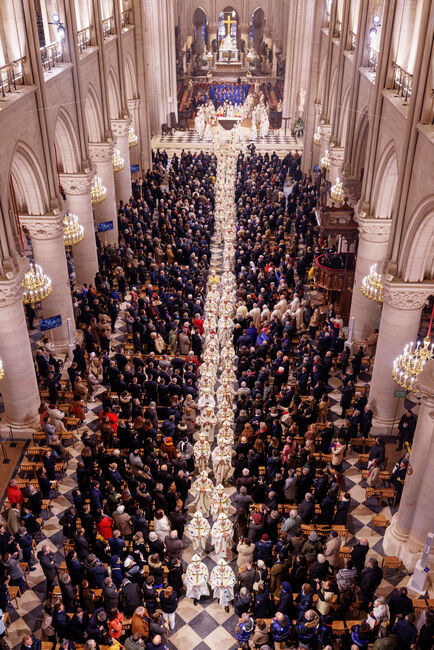
On December 7, 2024, the doors of Notre-Dame finally reopened to the public for its inauguration. Zachmann was one of the accredited photographers present for the ceremony. He captured the firefighters’ procession from the choir towards the nave, followed by the construction workers and artisans who worked on the project, all receiving a standing ovation.
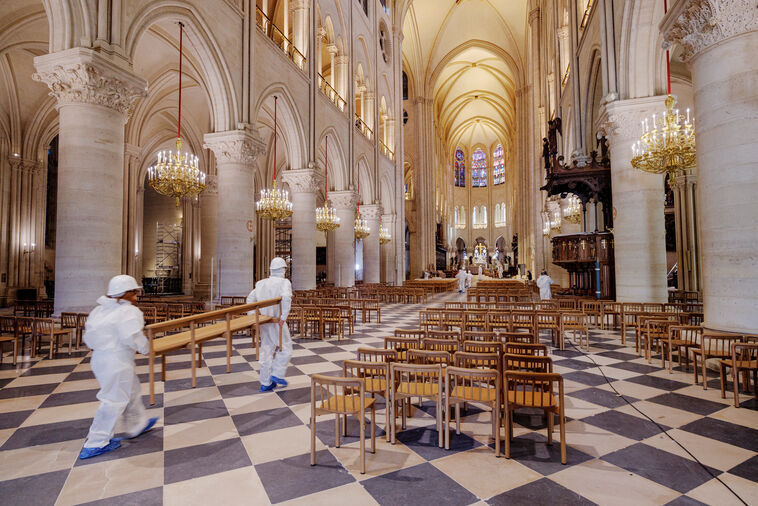
“I cannot help but think of Azzedine, who worked alongside his brother for Europe Échafaudage, and who passed away suddenly at his home just a month ago,” writes Zachmann. “Everyone was very fond of him; he always had something kind to say to everyone. That’s what a construction site is, too: a community of people who have forged bonds, built friendships, and shared moments of life together.”
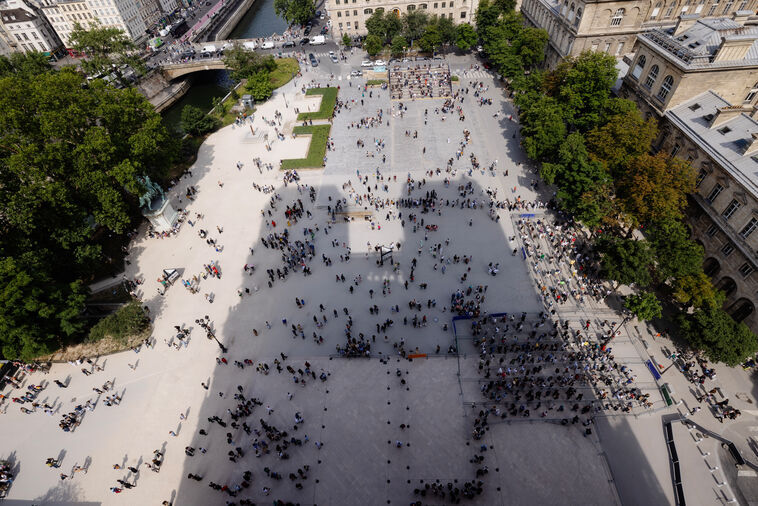
Days before the reopening ceremony, Zachmann spoke to a journalist on the Seine about his work documenting the monument.
“When I return to the cathedral after the interview, it is deserted,” he writes in Le Miracle. “Chairs are stacked along the sides. I sense the same silence I felt when I first discovered the space in the aftermath of the tragedy. Yet, tonight, it is no longer the scene of desolation that had struck me so deeply—with that gaping hole opening to the sky in the middle of the nave. Quite the contrary. Tonight, I feel somewhat at home in Notre-Dame; I sense a kind of intimacy with this edifice, whose beauty I have come to know. Tonight, I also feel a sense of reassurance: it has been saved.”
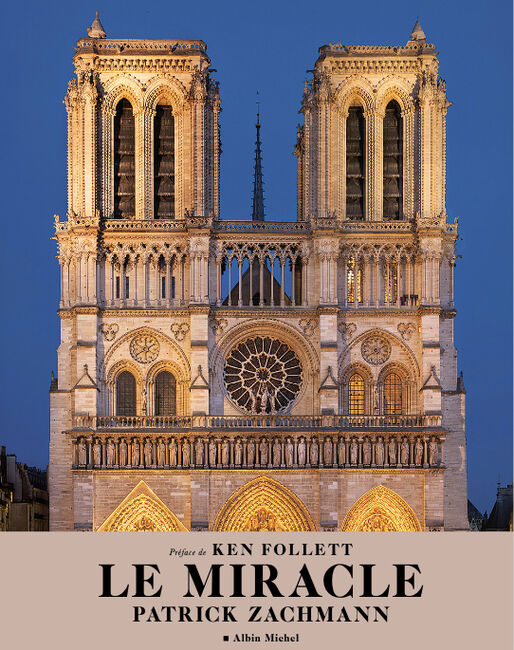
Discover Patrick Zachmann’s collection at the Magnum store here.


